


Unlocking the 3-30-300 Rule: Practical Tips for Urban Forest Enhancement
Urban forests shape the quality of life in towns and cities. They cool neighborhoods, improve air quality, and create inviting spaces for people to gather. Yet, many urban areas struggle to maintain healthy tree cover. The 3-30-300 rule offers a simple, effective guideline to help communities and homeowners improve urban greenery and reap its benefits. This post explains the 3-30-300 rule, summarizes key insights from Johan Ostberg’s article Enhancing Urban Forests in the August 2024 issue of ISA Arborist News, and shares practical tips for fostering urban forests in Pennsylvania’s towns and small cities.

Understanding the 3-30-300 Rule
The 3-30-300 rule is a straightforward way to measure and promote healthy urban forests:
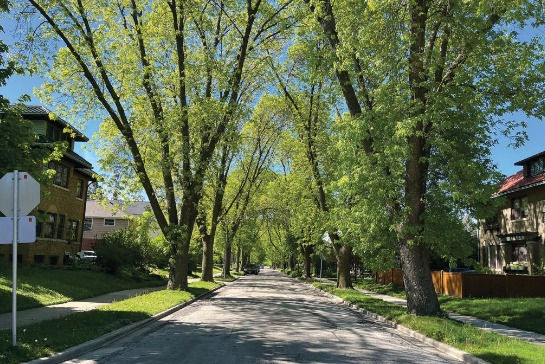
3: Every resident should be able to see at least 3 trees from their home.
30: Every neighborhood should have at least 30% tree canopy cover.
300: No one should live more than 300 meters from the nearest public green space or park.
This rule helps ensure that trees are visible, abundant, and accessible, which improves mental and physical health, reduces urban heat, and supports biodiversity.
Why the 3-30-300 Rule Matters
Research shows that visible trees reduce stress and improve mood. A 30% canopy cover helps cool urban areas by shading streets and buildings, reducing energy costs. Access to green spaces within 300 meters encourages outdoor activity and social interaction, which strengthens community ties.
Johan Ostberg’s article highlights how cities that adopt this rule see measurable improvements in air quality, stormwater management, and property values. The rule also guides urban planners and homeowners in making decisions that balance development with nature.
Key Insights from Johan Ostberg’s Enhancing Urban Forests
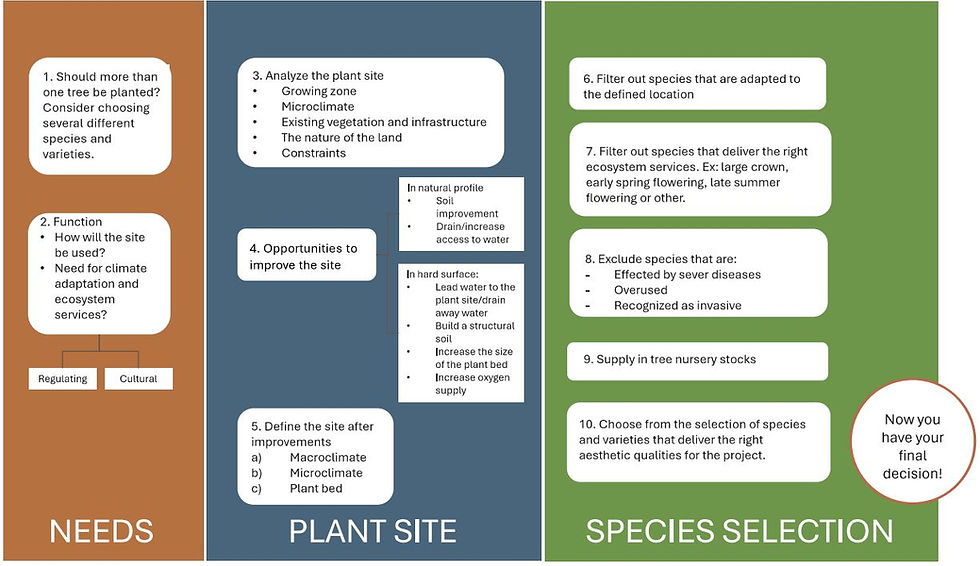
Ostberg’s article in ISA Arborist News Volume 33 Number 4 (August 2024) provides a comprehensive look at urban forest management strategies. Here are some highlights:
Tree Diversity Is Crucial: Relying on a few species increases vulnerability to pests and diseases. A diverse mix of native and adapted trees strengthens resilience.
Community Engagement Drives Success: Programs that involve residents in tree planting and care increase stewardship and long-term survival.
Data-Driven Planning: Using GIS mapping and canopy assessments helps identify priority areas for planting and maintenance.
Maintenance Matters: Regular pruning, watering, and pest management ensure trees thrive in urban conditions.
Equity in Green Space Access: Targeting underserved neighborhoods reduces disparities in health and environmental quality.
Ostberg emphasizes that urban forestry is a shared responsibility between municipalities, homeowners, and local organizations.
Practical Tips for Homeowners to Support the 3-30-300 Rule
Homeowners play a vital role in creating and maintaining urban forests. Here are actionable steps you can take:
Plant Trees Visible from Your Home
Choose species that grow well in your area and place them where you can enjoy their shade and beauty. Native trees like red maple, white oak, or serviceberry thrive in Pennsylvania’s climate.
Maintain Existing Trees
Regularly inspect trees for signs of disease or damage. Hire arborists for pruning and care to keep trees healthy and safe.
Create Green Buffers
Use shrubs and smaller plants to complement trees, improving biodiversity and visual appeal.
Support Local Tree-Planting Initiatives
Join community groups or volunteer for tree planting events. Your participation helps increase canopy cover beyond your property.
Advocate for Green Space Access
Encourage local officials to maintain parks and create new green spaces within walking distance.
How Municipalities Can Foster the 3-30-300 Rule
Local governments have the tools to shape urban forests at scale. Here are strategies municipalities can adopt:
Set Canopy Cover Goals
Use the 30% canopy target as a benchmark in urban planning and zoning regulations.
Map Tree Coverage and Green Spaces
Conduct regular assessments to identify gaps and prioritize planting in underserved areas.
Incentivize Tree Planting on Private Property
Offer tax breaks, grants, or free trees to homeowners and businesses that increase tree cover.
Protect Existing Trees
Enforce ordinances that prevent unnecessary tree removal during development.
Invest in Public Green Spaces
Expand parks and green corridors to ensure no resident is more than 300 meters from nature.
Educate and Engage Residents
Provide workshops, resources, and volunteer opportunities to build community support.
Examples from Pennsylvania Towns
Several Pennsylvania towns have started embracing the 3-30-300 principles:
Lancaster has increased its urban canopy by planting over 1,000 trees in neighborhoods with low coverage.
State College maintains a GIS-based tree inventory to guide maintenance and planting.
Bethlehem offers free trees to residents and partners with schools to teach urban forestry.
These examples show that even small cities can make a big impact with focused effort.
Benefits Beyond Beauty
Implementing the 3-30-300 rule brings measurable benefits:
Improved Air Quality
Trees filter pollutants and produce oxygen, reducing respiratory problems.
Lower Urban Heat
Shade from trees can reduce temperatures by several degrees, easing heat stress.
Stormwater Management
Tree roots absorb rainwater, reducing flooding and protecting waterways.
Increased Property Values
Homes near trees and parks often sell for more and attract buyers faster.
Enhanced Mental and Physical Health
Access to green spaces encourages exercise, reduces anxiety, and fosters social connections.
How Antrim Tree Service Can Help You Enhance Your Urban Forest
Whether you are a homeowner wanting to plant and care for trees or a municipality planning large-scale urban forestry projects, Antrim Tree Service offers expert support:
Arborists for tree health assessments and maintenance
Customized planting plans aligned with the 3-30-300 rule
Tree risk evaluations to keep your property safe
Community outreach and education programs
Efficient tree removal and emergency services
Investing in professional tree care ensures your urban forest thrives for years to come.
If you want to see your neighborhood greener, cooler, and healthier, start with the 3-30-300 rule today. Contact Antrim Tree Service for a consultation and take the first step toward a stronger urban forest that benefits everyone.
Call Antrim Tree Service now at 814-386-4236 or visit our website to schedule your free tree health evaluation.
References
Ostberg, Johan. Enhancing Urban Forests. ISA Arborist News. Volume 33 Number 4 August 2024.
https://www.cityoflancasterpa.gov/services/trees/tree-projects/
https://www.bethlehemeac.org/latest-news/bethlehems-urban-forest-master-plan

Comments