


Preserving Urban Giants How Franklin County Can Protect Its Big Trees
Urban trees are more than just greenery lining our streets. They provide shade, improve air quality, support wildlife, and enhance community well-being. Yet, a recent study published in the ISA Arborist News (Volume 34, Number 5, October 2025) titled "Endangered Giants Are Big Trees Becoming Obsolete on Urban American Streets? Insights from Wisconsin Street Inventories" by Elton C. Rogers, Jason E. E. Dampier, and Daniel C. Buckler raises concerns about the future of large urban trees. This post summarizes the key findings of that study and explores how Franklin County towns like Shippensburg, Waynesboro, Greencastle, Mercersburg, and Chambersburg can apply these insights to protect their own urban giants.
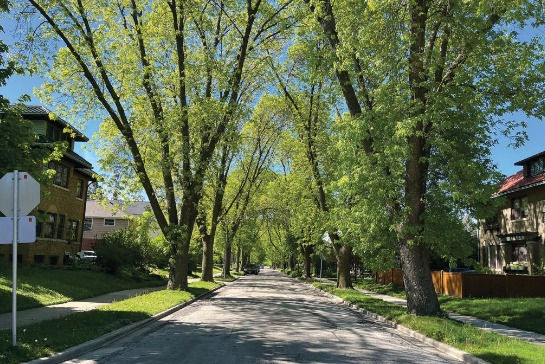
The Decline of Big Trees in Urban Areas
The study analyzed street tree inventories across Wisconsin and found a clear trend: large, mature trees are becoming increasingly rare in urban environments. These "endangered giants" face threats from development pressures, infrastructure conflicts, disease, and inadequate care. The loss of these trees diminishes the ecological and social benefits they provide.
Key findings include:
Declining numbers of large trees: Trees with trunk diameters greater than 24 inches made up less than 10% of the urban canopy in many cities.
Shorter lifespans for big trees: Urban stressors such as soil compaction, limited rooting space, and pollution reduce the longevity of large trees.
Preference for smaller species: Municipalities often plant smaller, fast-growing species that mature quickly but do not reach the size or lifespan of traditional giants.

This trend is concerning because large trees contribute disproportionately to urban ecosystem services. They sequester more carbon, provide more shade, and support greater biodiversity than smaller trees.
Why Franklin County Needs to Act
Franklin County’s towns share many characteristics with the Wisconsin cities studied. Older neighborhoods in Chambersburg, Greencastle, and Waynesboro feature mature trees that define the streetscape, while newer developments in Shippensburg and Mercersburg often lack large trees altogether.
Without intervention, Franklin County risks losing its urban giants to the same pressures identified in the Wisconsin study. Pennsylvania has already undergone similar ash tree loses associated with the emerald ash borer. In many cases, those specimens were replaced with smaller, less beneficial trees or not replaced at all.
There are free resources available to communities, non-profits, and educational institutions. Pennsylvania's Department of Conservation and Natural Resources (DCNR) Urban and Community Forestry Program -- formerly known as TreeVitalize:
Helps communities plan for, plant, and care for trees
Offers educational opportunities about the benefits of trees and the importance of proper planting and tree care
The department and its partners provide a broad range of services to support sustainable urban and community forest management across Pennsylvania.
The department also facilitates the planting of thousands of trees and assists hundreds of communities every year. (2)
Practical Recommendations for Protecting Big Trees
The ISA article offers several practical steps communities can take to preserve and promote large urban trees. Franklin County towns can adopt these strategies to maintain their urban canopy:
1. Prioritize Large Tree Preservation in Planning
Protect existing mature trees during construction by enforcing tree protection zones.
Read our blog post titled "Key Tree Insights for Builders & Developers in Greencastle, PA" for more information
Incorporate large tree preservation into zoning and development codes.
Avoid removing large trees unless absolutely necessary and require replacement with species capable of reaching similar sizes.
2. Improve Tree Care and Maintenance
Regularly inspect and maintain large trees to address health issues early.
Read about the "The Importance of Professional Tree Pruning vs Tree Topping"
Manage soil health by reducing compaction and improving aeration around roots.
Water and mulch large trees appropriately, especially during dry spells.
3. Plant Species That Grow Large and Live Long
Select native or well-adapted species known to reach large sizes, such as oaks, hickories, and sugar maples.
Avoid planting only small ornamental trees that will never replace the benefits of mature giants.
Plan for long-term growth by planting trees with adequate space for roots and canopy expansion.
4. Engage the Community
Educate residents about the value of large trees and how to care for them.
Encourage neighborhood tree stewardship programs.
Partner with local schools and organizations to promote tree planting and care.
How Antrim Tree Service Supports Franklin County’s Urban Forest
Protecting big trees requires expertise and commitment. Antrim Tree Service offers professional arboriculture services tailored to the needs of Franklin County towns. Our team helps:
Assess tree health and risk to extend the life of mature trees.
Provide professional pruning to maintain strong urban giants.
Support tree preservation during construction projects.
Advise on species selection and planting techniques for long-term canopy growth.
By working with Antrim Tree Service, communities in Shippensburg, Waynesboro, Greencastle, Mercersburg, and Chambersburg can ensure their urban forests thrive for generations.
Safeguard Urban Giants and Strategize for Future Ones
Large trees are vital assets that shape the character and health of our towns. The findings from the Wisconsin study highlight the risks these giants face but also provide a roadmap for protecting them. Franklin County’s communities have the opportunity to lead by preserving their mature trees and planting for the future.
If you want to protect the big trees on your street or need expert advice on urban tree care, contact the PA DCNR about their Urban Forestry programs and/or Antrim Tree Service. Together, we can keep Franklin County’s urban giants standing tall.
References
Rogers et. al. Endangered Giants Are Big Trees Becoming Obsolete on Urban American Streets? Insights from Wisconsin Street Tree Inventories. ISA Arborist News. Volume 34, Number 5, October 2025.
Commonwealth of Pennsylvania. Urban and Community Forestry. https://www.pa.gov/agencies/dcnr/programs-and-services/community-outreach-and-development/urban-and-community-forestry


Comments